
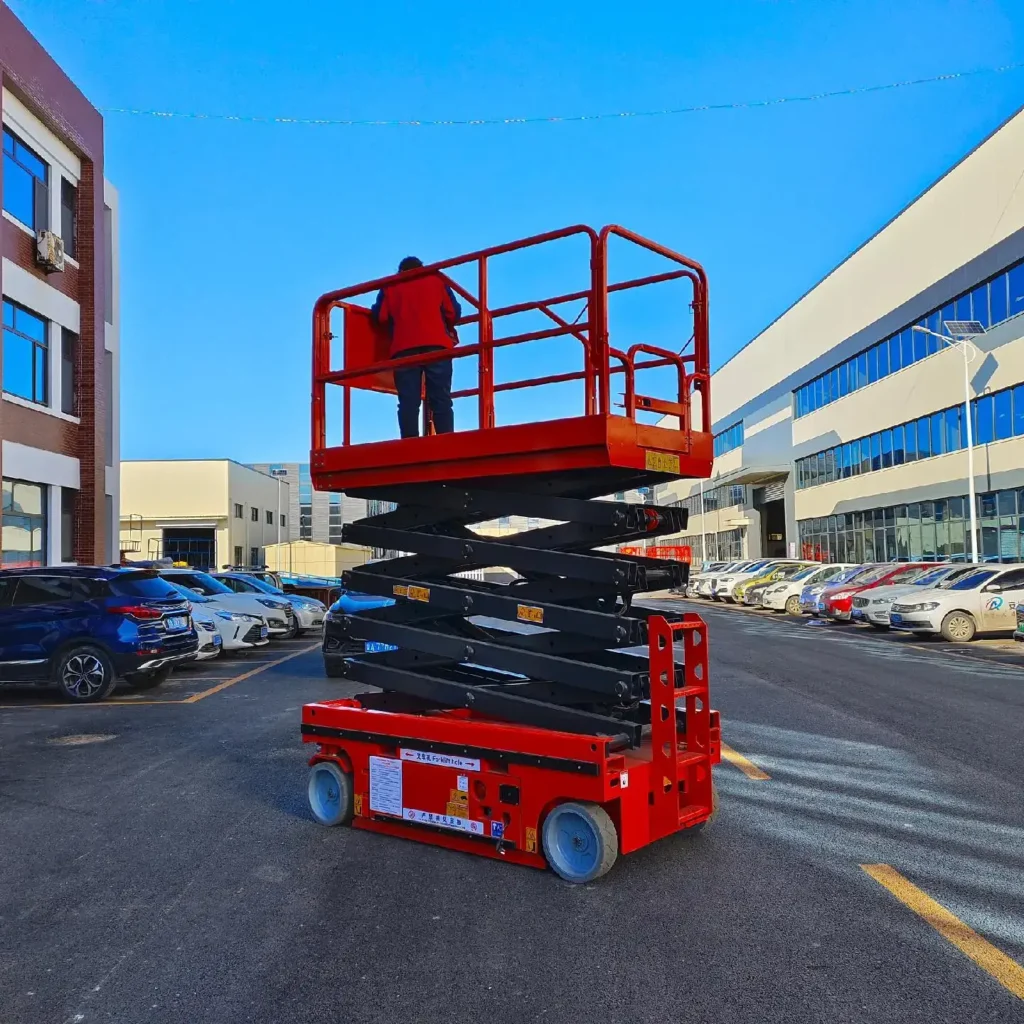
Navigating global equipment procurement to import scissor lift from China offers equipment rental companies, contractors, and machinery dealers immense cost advantages. Sourcing directly from certified Chinese Original Equipment Manufacturers (OEMs) allows procurement managers to secure high-quality mobile elevating work platforms at factory-direct pricing, maximizing fleet return on investment.
However, successfully executing an international machinery purchase requires strict diligence. Machinery buyers must manage factory quality audits, international safety compliance certifications, HS code customs tariffs, and sea freight container logistics. Without a structured procurement plan, unexpected delays or customs rejections can erode initial profit margins.
In this comprehensive step-by-step buyer’s guide, we detail the complete roadmap to import scissor lift from China safely, covering manufacturer vetting, technical compliance, shipping logistics, customs clearance, and total landed cost calculation.
Table of Contents
- Why Global Fleet Buyers Import Scissor Lift from China
- 7-Step Procurement Framework to Import Scissor Lift from China
- Step 1: Finding and Vetting Reliable OEM Manufacturers
- Step 2: Verifying International Safety Certifications (CE, ANSI, ISO)
- China Scissor Lift Model Specification & Compliance Matrix
- Step 3: Understanding Incoterms and Factory Quotes
- Step 4: Ocean Freight Shipping and Container Packing Efficiency
- Step 5: Navigating Customs Clearance, Tariffs, and HS Codes
- Step 6: Factory Acceptance Testing and Quality Audits
- Step 7: Managing After-Sales Support and Spare Parts Logistics
- Frequently Asked Questions (FAQ)
- Conclusion and Next Steps
Why Global Fleet Buyers Import Scissor Lift from China
China has established itself as the world’s primary manufacturing hub for advanced aerial work platforms. When fleet operators decide to import scissor lift from China, they unlock access to state-of-the-art manufacturing automation, high-capacity lithium battery integrations, and competitive bulk pricing.
Leading Chinese OEMs utilize robotic welding lines, automated powder coating, and rigorous hydraulic pressure testing systems. Sourcing factory-direct eliminates intermediary dealer markups, allowing buyers to acquire modern AC electric-drive platforms for a fraction of Western regional distributor prices.
7-Step Procurement Framework to Import Scissor Lift from China
Executing an international machinery purchase demands a systematic approach. Following a structured purchasing timeline mitigates trade risks and guarantees seamless jobsite delivery when you import scissor lift from China.
Step 1: Finding and Vetting Reliable OEM Manufacturers
The first crucial step to import scissor lift from China is identifying reputable manufacturers rather than unverified trading agents. Working directly with genuine OEMs ensures technical consistency, custom color branding, and long-term warranty support.
When vetting potential manufacturing partners in China, evaluate the following criteria:
- Factory Infrastructure: Verify factory floor space, monthly unit output, and automated assembly capabilities.
- Quality Management Systems: Ensure the OEM operates under audited ISO 9001 quality control frameworks.
- Export Track Record: Confirm established trade experience shipping machinery to North America, Europe, Australia, and South America.
Step 2: Verifying International Safety Certifications (CE, ANSI, ISO)
You cannot legally import or operate aerial platforms without mandatory regional safety compliance. Before finalizing contracts to import scissor lift from China, insist on receiving third-party certified testing documentation.
Key safety certification standards include:
- European Union (CE Marking): Requires compliance with Machinery Directive 2006/42/EC and EN 280 standards for mobile elevating work platforms.
- North America (ANSI/CSA Standards): Platforms sold in North American markets must comply with ANSI A92.20 and CSA B354.6 standards, covering active pothole protection systems, tilt-sensing cutouts, and platform overload monitoring.
- Global Safety Guidelines: Equipment designs should align with operational safety practices established by IPAF (International Powered Access Federation).
China Scissor Lift Model Specification & Compliance Matrix
Review standard model classes available for export when planning to import scissor lift from China for commercial or industrial fleets.
| Model Height Class | Working Height | Standard Drive Type | Target Load Capacity | Key International Compliance |
|---|---|---|---|---|
| Micro 6m (19 ft) | 6.0 m / 7.8 m Reach | 24V Electric (DC/AC) | 230 kg | CE / ANSI A92.20 / ISO 9001 |
| Standard 8m (26 ft) | 8.0 m / 10.0 m Reach | 24V Electric (AC Drive) | 230 kg | CE / ANSI A92.20 / CSA |
| Mid-Range 10m (32 ft) | 10.0 m / 12.0 m Reach | 24V / 48V Electric | 320 kg – 450 kg | CE / ANSI A92.20 / AS/NZS |
| High-Bay 12m (39 ft) | 12.0 m / 14.0 m Reach | 48V Electric / Lithium | 320 kg – 450 kg | CE / ANSI A92.20 / ISO |
| High-Reach 14m-16m | 14.0 m – 16.0 m Reach | 48V Lithium-ion System | 200 kg – 350 kg | CE / ANSI A92.20 / IPAF Certified |
For a detailed breakdown of platform elevations and machine dimensions, see our scissor lift working height guide, and evaluate weight capacity limits in our scissor lift load capacity guide.
Step 3: Understanding Incoterms and Factory Quotes
Negotiating commercial shipping terms dictates where supplier liability ends and buyer responsibility begins. When receiving factory quotes to import scissor lift from China, clarify the exact Incoterms 2020 definition used:
- FOB (Free on Board): The OEM handles China inland trucking, export customs clearance, and loading onto the vessel. The buyer manages ocean freight and port clearance.
- CIF (Cost, Insurance, and Freight): The OEM pays ocean freight and marine insurance to your target destination seaport.
- DDP (Delivered Duty Paid): The supplier manages end-to-end logistics, including ocean freight, import tariffs, customs duties, and final flatbed delivery to your warehouse floor.
To evaluate baseline machine quotes and battery upgrades, explore our detailed electric scissor lift price guide and analyze runtime economics in our scissor lift battery guide.
Step 4: Ocean Freight Shipping and Container Packing Efficiency
International freight costs directly impact total landed machinery expenditure. To minimize per-unit shipping fees when you import scissor lift from China, OEMs engineer machines for high-density container loading.
Shipping logistics best practices include:
- 40ft High Cube (40HC) Containers: A single 40HC container accommodates up to 10 micro units (6m) or 6 standard warehouse units (10m) when folded with guardrails down.
- Steel Wire Securing & Wheel Chocks: Machines must be lashed down with heavy-duty steel cables and wheel chocks inside the container to prevent movement during ocean transit.
For a complete visual walkthrough on container packing arrangements, read our specialized guide on scissor lift container loading.
Step 5: Navigating Customs Clearance, Tariffs, and HS Codes
Clearing customs smoothly requires accurate paperwork. When preparing to import scissor lift from China, ensure your customs broker files documents under the correct Harmonized System (HS) Code.
Mobile elevating work platforms typically fall under HS Code 8428.90 or HS Code 8427.10 (electric work trucks fitted with lifting equipment). Required import documents include:
- Commercial Invoice & Packing List: Detailed itemization of machine models, serial numbers, net weight, and values.
- Bill of Lading (B/L): Title document issued by the ocean shipping line.
- Certificate of Origin (Form E or CO): Proves manufacturing origin and unlocks preferential tariff rates under regional trade agreements.
- CE / ANSI Compliance Certificates: Submitted to customs inspectors to verify safety compliance before port release.
Step 6: Factory Acceptance Testing and Quality Audits
Conducting pre-shipment quality inspections prevents receiving defective machinery. Professional buyers planning to import scissor lift from China request comprehensive Factory Acceptance Testing (FAT) before releasing final balance payments.
A standard factory pre-shipment audit covers:
- Full Elevation & Load Testing: Raising the platform to maximum working height with 110% rated load capacity.
- Hydraulic Pressure & Leak Check: Testing cylinder seals and valves under sustained high pressure.
- Safety Cutout Testing: Verifying automatic emergency lowering valves, pothole guards, and tilt sensors.
Step 7: Managing After-Sales Support and Spare Parts Logistics
Establishing long-term operational success requires securing reliable spare parts availability. Reliable OEMs offering equipment to import scissor lift from China maintain inventory reserves of critical components, including hydraulic pumps, motor controllers, and replacement joysticks.
When placing initial fleet orders, request a “wearing parts package” (extra hydraulic seal kits, fuses, switches, and emergency stop buttons) shipped inside the same container to avoid future air express freight fees.
For specialized site requirements, compare terrain configurations in our crawler vs wheeled scissor lift guide, explore indoor maneuvering in our warehouse scissor lift guide, or review drive mechanics in our self-propelled vs mobile scissor lift guide.
Frequently Asked Questions (FAQ)
Q1: Is it safe and reliable to import scissor lift from China for rental fleets?
Yes. Leading Chinese OEMs manufacture aerial lifts in world-class automated facilities compliant with strict ISO 9001, CE, and ANSI A92.20 safety standards, supplying major global rental fleets worldwide.
Q2: How long does it take to import scissor lift from China to major global ports?
Total lead time ranges from 30 to 50 days, depending on destination. Factory manufacturing takes 15 to 20 days, ocean freight transit takes 15 to 30 days, and port customs clearance takes 3 to 5 days.
Q3: What HS code is used to import scissor lift from China?
Mobile elevating work platforms are typically imported under HS Code 8428.90 (lifting/handling machinery) or HS Code 8427.10 (electric-powered works trucks fitted with lifting gear).
Q4: Can I order custom brand colors and OEM logos when I import scissor lift from China?
Yes. Most certified manufacturers offer custom OEM paint finishes, private brand labeling, and specialized plug configurations when ordering in container quantities.
Conclusion and Next Steps
Knowing how to import scissor lift from China empowers business owners to optimize fleet acquisition budgets while securing top-tier aerial equipment. By vetting OEM manufacturers, verifying ANSI/CE safety compliance, optimizing ocean container packing, and filing accurate customs entries, your business guarantees a smooth procurement pipeline.
Looking to source certified aerial platforms directly from a trusted factory partner? Explore our complete inventory of electric scissor lifts for sale or browse our master directory of aerial lift for sale to request instant factory quotes and shipping estimates today.